
When it comes to building a high-performance camper van, insulation is not just a comfort upgrade — it is a core system that defines how your van performs year-round.
Over the years, one combination has consistently stood out among professional builders, DIY vanlifers, and top YouTubers:
Why Camper Van Insulation Needs a Layered Approach
Unlike a house, a camper van is a thin metal structure constantly exposed to changing temperatures, vibration, road noise and moisture generated inside the living space.
That's why we prefer a layered approach to camper van insulation rather than expecting one material to solve every problem.
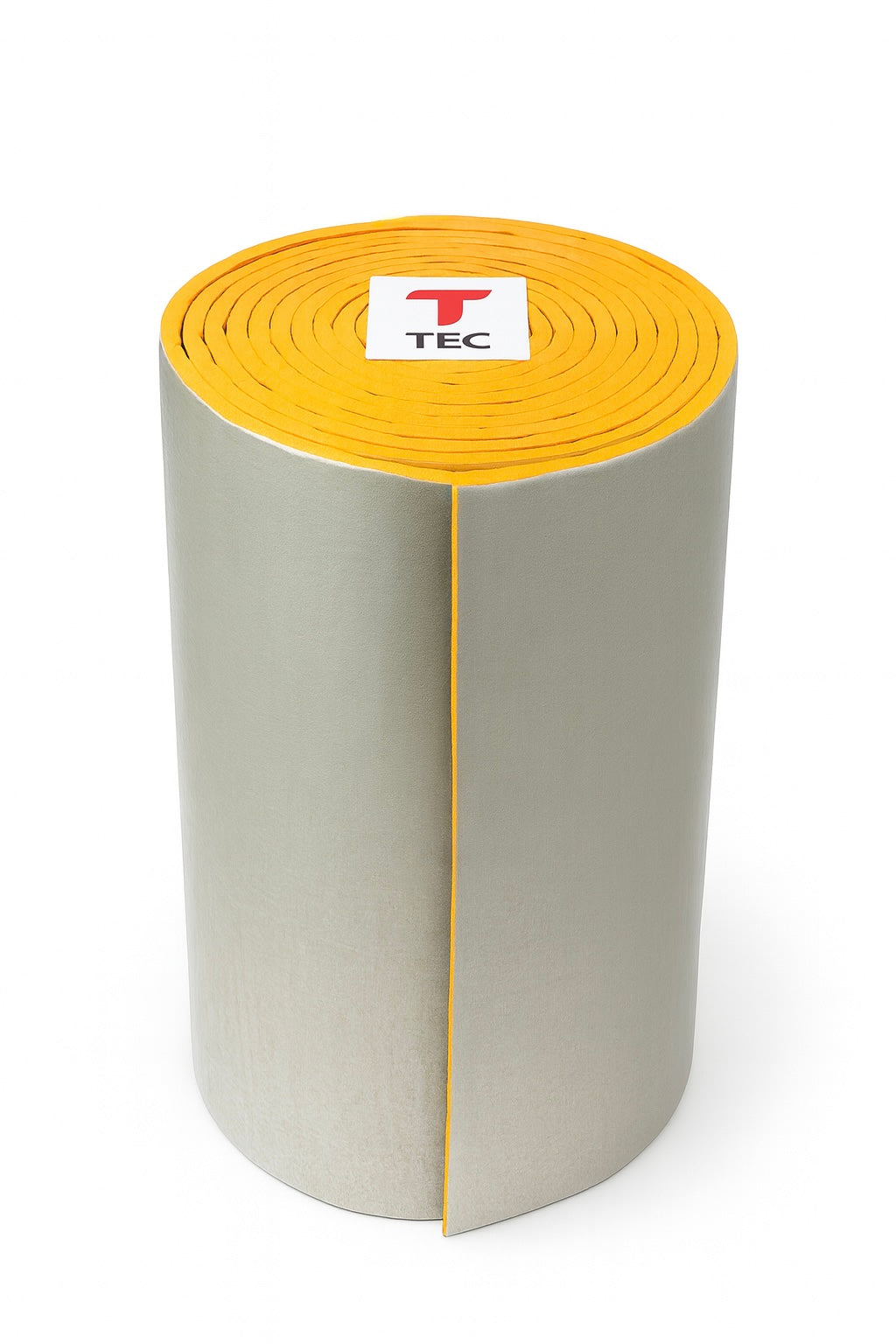
Tec Vanlife Duck Liner creates the first layer against the van's metal body. Its closed-cell construction, adhesive backing and reflective surface make it particularly useful for managing vibration, noise and the cold metal surfaces where condensation can become a concern.
3M™ Thinsulate™ SM600L is then used as the primary thermal and acoustic insulation in walls, ceilings, doors and cavities. It is lightweight, designed for automotive applications and uses hydrophobic fibres that resist moisture absorption.
Together, the materials perform different but complementary jobs:
Van metal → Duck Liner → 3M Thinsulate SM600L → Interior panel
This is the insulation system Tec Vanlife recommends for many DIY and professionally built camper vans.
Trusted by Vanlifers
This is not just theory — it is what real builders and creators are using.
Vancity Vanlife – Real Van Build Insights
DIY Van Build Example – Insulation Process
Real Build Example – (Short Video)
Across YouTube, you will consistently see builders choosing Thinsulate-based systems because they are easy to install, reliable long-term, and safe for moisture management.
How Much 3M Thinsulate Does a Camper Van Need?
The amount of 3M Thinsulate SM600L required depends on the van model, wheelbase, number of windows and how much of the vehicle you plan to insulate.
As a general starting point, smaller camper vans require less material while extended-wheelbase vans require substantially more.
Tec Vanlife offers Thinsulate in multiple linear-foot quantities and complete insulation bundles so builders can choose coverage appropriate for their specific conversion.
Popular applications include:
- Mercedes-Benz Sprinter 144, 170 and 170 EXT
- Ford Transit 130, 148 and 148 EXT
- Ram ProMaster 136, 159 and 159 EXT
Vans without rear or sliding-door windows may require additional insulation because there is more metal surface area to cover.
For customers who want both materials together, the Ultimate Van Insulation Bundle combines genuine 3M Thinsulate SM600L with Tec Vanlife Duck Liner in multiple coverage options.
Duck Liner + Thinsulate vs Other Camper Van Insulation
There is no single insulation material that is ideal for every camper van build. Spray foam, rigid foam board, wool and automotive insulation products can all be appropriate depending on the design of the van.
Tec Vanlife prefers the Duck Liner + 3M Thinsulate system for many builds because it combines a closed-cell first layer against the vehicle body with lightweight automotive thermal and acoustic insulation.
Compared with rigid foam board, Thinsulate is easier to conform around curved walls, doors, structural ribs and irregular cavities.
Compared with spray foam, Thinsulate can be installed without permanently filling body cavities and is easier to remove if future access to wiring or vehicle components is required.
Compared with using Thinsulate alone, Duck Liner adds a closed-cell layer directly against the metal surface while also helping reduce vibration and road noise.
The best system ultimately depends on your climate, van design, budget and intended use. For four-season camper van builds, thermal performance, moisture management, acoustic comfort and installation practicality should all be considered together.
Real-World Performance — Not Just Theory
Unlike rigid foam boards or spray foam, Duck Liner + Thinsulate is designed for real van conditions:
-
Constant vibration
-
Temperature swings
-
Moisture buildup
-
Irregular metal surfaces
3M Thinsulate provides:
-
Excellent thermal insulation
-
Built-in sound dampening
-
Breathable structure
Duck Liner adds:
-
Radiant heat reflection
-
Extra thermal barrier
-
Clean, professional finish
Together, they create a multi-layer insulation system used by professionals.
Moisture Management (Why Builders Trust It)
One of the biggest mistakes in van builds is trapping moisture inside walls.
Spray foam can trap moisture
Foam board leaves gaps
Reflectix alone has minimal insulation value
Thinsulate is breathable and hydrophobic
Duck Liner helps regulate condensation
Result:
-
Reduced mold risk
-
Prevention of hidden rust
-
Long-term protection of the van body
Industry-Leading Sound Deadening
Thinsulate is widely used in automotive and commercial applications.
It reduces:
-
Road noise
-
Panel vibration
-
Wind noise
This results in a quieter and more refined driving experience.
Easy Installation (DIY and Builder Friendly)
This system is popular because it is:
-
Flexible and fits curved panels
-
Clean to install
-
No chemical curing required
-
Easy to modify later
For builders:
Faster installs and consistent results
For DIYers:
Lower risk and better outcome

Why Buy From Tec Vanlife
Tec Vanlife is an authorized Canadian distributor of genuine 3M™ Thinsulate™ SM600L and supplies insulation to DIY van builders, professional conversion shops and industry partners across Canada and the United States.
We receive Thinsulate in full 53-foot truckload quantities and process material in-house using equipment developed specifically for accurately measuring and cutting insulation.
Working directly with the material also gives our team practical experience with how Thinsulate and Duck Liner are used in real camper van conversions.
Whether you're insulating a Mercedes Sprinter, Ford Transit or Ram ProMaster, our goal is not simply to sell insulation — it's to help you select the right quantity and build an insulation system appropriate for your van.
Proven by Builders, Shops, and the Community
This system is used by:
-
Professional van conversion shops
-
Overland builders
-
YouTube creators
-
Fleet upfitters
Because it delivers:
Reliable performance
Repeatable results
Long-term durability
Works in All Climates
Winter:
-
Retains heat
-
Reduces cold bridging
Summer:
-
Reflects radiant heat
-
Slows heat transfer
Result: more stable interior temperature and lower energy usage.
Lightweight and Efficient
-
No heavy foam boards
-
High performance per inch
-
Keeps overall vehicle weight lower
Camper Van Insulation FAQs
Is 3M Thinsulate SM600L good for camper vans?
Yes. 3M Thinsulate SM600L is designed for automotive acoustic applications and is widely used in camper van walls, ceilings, doors and cavities. Its lightweight construction and ability to conform around irregular vehicle cavities make it particularly suitable for van conversions.
What does Duck Liner do in a camper van?
Duck Liner creates a closed-cell layer against the vehicle's metal body. It helps reduce vibration and road noise while separating the finished insulation system from the cold metal van shell.
Should Duck Liner go underneath Thinsulate?
In the Tec Vanlife insulation system, Duck Liner is installed against the van's metal surface first, with 3M Thinsulate installed over it in the walls, ceiling, doors and appropriate cavities.
Does 3M Thinsulate absorb water?
SM600L uses hydrophobic fibres designed to resist moisture absorption, which is one reason it is well suited to automotive and camper van applications.
Does Thinsulate help reduce road noise?
Yes. SM600L is an automotive acoustic absorber as well as a thermal insulation material. Combining it with Duck Liner can provide a more comprehensive acoustic and thermal system.
Can I use Thinsulate on a camper van floor?
Thinsulate is generally better suited to walls, ceilings, doors and cavities. Camper van floors normally benefit from materials designed to withstand compression. Tec Vanlife commonly uses Duck Liner as part of its floor insulation approach.
What adhesive should I use for 3M Thinsulate?
Tec Vanlife recommends suitable high-temperature automotive/contact adhesives such as Tensorgrip P307 or 3M Hi-Strength 90 for appropriate Thinsulate installations. Always follow the adhesive manufacturer's preparation and application instructions.
How much Thinsulate do I need for a Sprinter, Transit or ProMaster?
The required quantity depends on wheelbase, roof height, windows and the areas being insulated. Tec Vanlife offers multiple Thinsulate quantities and insulation bundles for Sprinter, Transit and ProMaster conversions. A dedicated vehicle-sizing guide can help determine the appropriate amount for your build.
Can I install Duck Liner and Thinsulate myself?
Yes. Both materials are commonly used in DIY camper van conversions. Duck Liner uses an adhesive backing, while Thinsulate can be cut to fit vehicle cavities and secured with an appropriate adhesive.
Is Tec Vanlife an authorized 3M Thinsulate distributor?
Yes. Tec Vanlife is an authorized Canadian distributor of genuine 3M Thinsulate SM600L and processes material in-house before shipping it to retail customers and professional builders.
Final Thoughts
After years of real-world use across the industry, one thing is clear:
Duck Liner + 3M Thinsulate is one of the most balanced, reliable, and builder-approved insulation systems available today.
Build It Right the First Time
Our Duck Liner + Thinsulate bundle is trusted by builders across North America.
If you want a system that avoids moisture issues, delivers professional results, an